
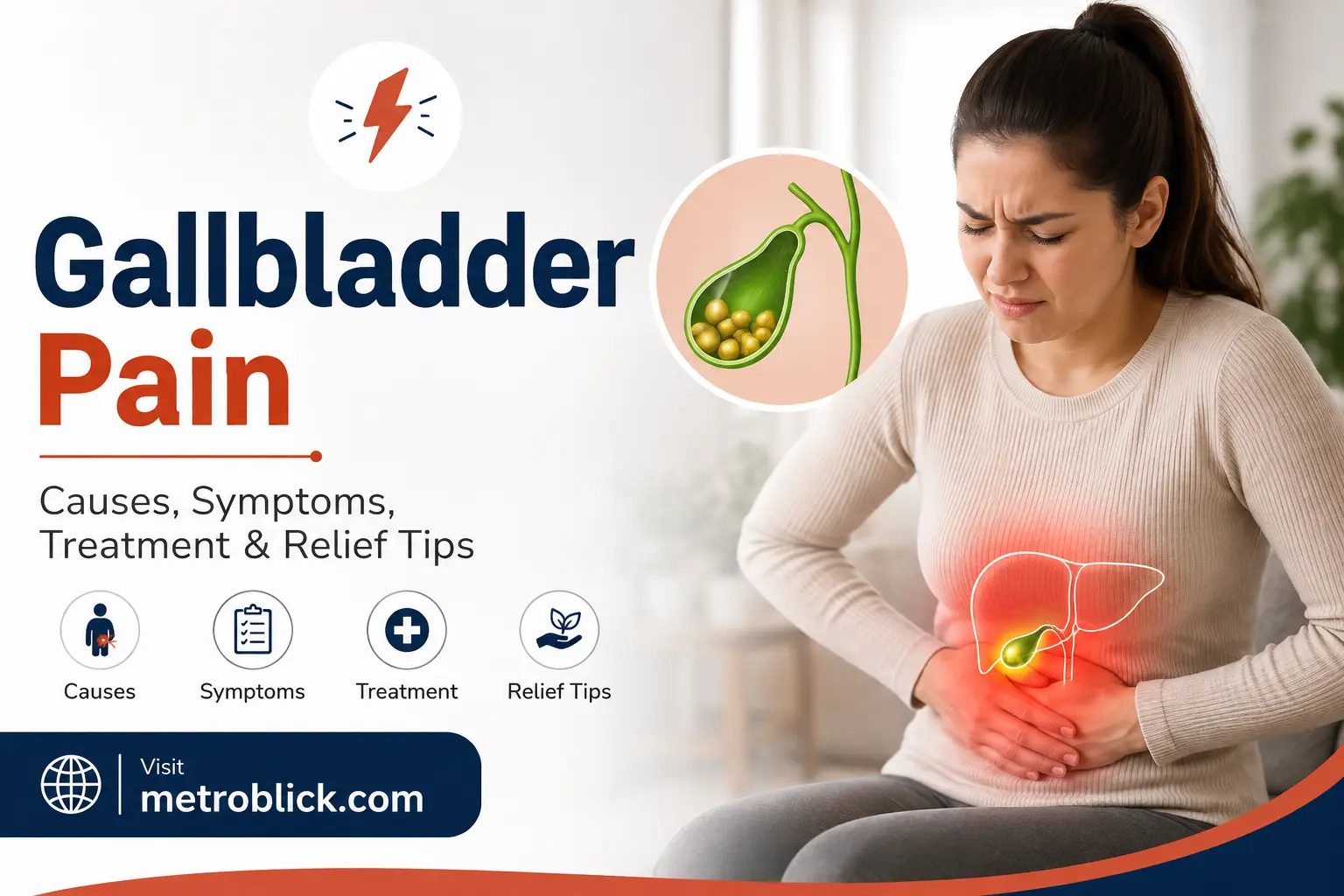
Pain linked with the gallbladder can be confusing because it may feel similar to indigestion, gas, acid reflux, liver discomfort, stomach problems, or even pain coming from the back. The gallbladder is a small organ beneath the liver that stores bile, a digestive fluid used to break down fats. Problems usually begin when bile cannot flow normally, most often because a gallstone blocks a duct.
Many people first notice upper right abdominal pain, discomfort after a fatty meal, nausea, pressure beneath the ribs, or pain that seems to travel toward the shoulder blade. The pattern, duration, associated symptoms, and timing after meals can all provide useful clues, although symptoms alone cannot confirm the cause.
Some biliary problems are temporary, while others can become urgent. A blocked bile duct, acute cholecystitis, infection, pancreatitis, or another abdominal condition can require prompt medical treatment. Understanding the difference between common symptoms and emergency warning signs is therefore important.
This guide explains the location, symptoms, possible causes, triggers, diagnostic tests, treatments, dietary considerations, pregnancy-related concerns, pain after gallbladder removal, and steps that may reduce future problems.
Gallbladder Pain
The gallbladder is a small, pear-shaped organ located beneath the liver on the right side of the upper abdomen. Its main job is to store and concentrate bile produced by the liver. When food—especially food containing fat—enters the small intestine, the gallbladder contracts and releases bile through the biliary ducts.
Problems develop when this normal flow is interrupted. A gallstone, inflammation, infection, poor gallbladder emptying, or obstruction in the biliary tract may increase pressure inside the organ or ducts. That pressure can stimulate nearby nerves and create significant abdominal discomfort.
The medical term biliary colic is often used when a gallstone temporarily blocks the cystic duct and causes a characteristic episode of pain. Despite the word “colic,” the discomfort is often steady rather than rapidly coming and going.
Why can such a small organ produce intense symptoms? The biliary system contains muscular ducts and sensitive tissues. When pressure builds or inflammation develops, the response can be severe and may involve areas beyond the organ itself.
The symptoms should not be used for self-diagnosis. Several conditions involving the stomach, liver, pancreas, kidneys, lungs, intestines, and heart may produce discomfort in a similar area.
Gallbladder Pain Location
The classic location is the right upper quadrant, meaning the upper-right portion of the abdomen beneath the rib cage. Some people describe the sensation as being directly under their right ribs, while others feel it closer to the center of the upper abdomen.
The discomfort can also begin in the epigastric region, which is the upper-middle part of the abdomen just below the breastbone. This is one reason biliary symptoms may initially be mistaken for heartburn or indigestion.
Pain may spread rather than remain in one location. Referred discomfort can reach the right shoulder, the area between the shoulder blades, or the upper back. The organ itself is not located in the shoulder or back; shared nerve pathways can make the brain interpret signals as coming from those regions.
Where is the most typical location? Persistent or intense discomfort beneath the right rib cage, particularly when it follows a meal and is accompanied by nausea, is one pattern commonly associated with the biliary system.
However, location alone is not enough to establish a diagnosis. Kidney stones, stomach ulcers, liver conditions, pancreatitis, muscle strain, pneumonia, and other disorders can produce overlapping symptoms.
Gallbladder Pain Symptoms
Symptoms vary depending on whether the problem is a temporary obstruction, inflammation, infection, or another biliary disorder. A straightforward episode may involve steady right upper quadrant pain that develops after a meal and lasts from several minutes to several hours.
Nausea and vomiting are also common during a symptomatic gallstone episode. Some people experience fullness, bloating, digestive discomfort, or an inability to become comfortable despite changing positions.
More concerning symptoms include fever, chills, yellowing of the skin or eyes, persistent vomiting, dark urine, pale or clay-colored stool, or pain that continues rather than gradually improving. These findings may suggest inflammation, infection, or obstruction involving the bile ducts.
Common associated symptoms can include:
- Upper-right or upper-middle abdominal discomfort
- Pain beneath the right ribs
- Nausea
- Vomiting
- Pain after eating
- Pain extending to the back
- Right shoulder or shoulder-blade discomfort
- Tenderness in the upper-right abdomen
- Fever or chills when inflammation or infection is present
- Jaundice when bile flow becomes significantly obstructed
Can symptoms occur without obvious digestive problems? Yes. Some people mainly experience abdominal or back discomfort, while others have noticeable nausea or food-related symptoms. The presentation depends on the underlying condition.
What Gallbladder Pain Feels Like
Many people describe biliary pain as a deep, steady ache, pressure, squeezing sensation, or intense discomfort rather than a brief stabbing feeling. It often becomes progressively stronger before reaching a plateau.
Unlike ordinary intestinal gas, the discomfort may not improve significantly after passing gas, having a bowel movement, or changing position. People may feel restless because lying down, sitting, or walking does not completely relieve the sensation.
During a gallbladder attack, discomfort can be strong enough to interrupt normal activities or wake someone from sleep. The episode may be accompanied by sweating, nausea, vomiting, or a feeling of tightness under the ribs.
Is the discomfort always severe? No. Mild episodes can occur, particularly early in the course of gallstone disease. However, worsening frequency, increasing intensity, prolonged symptoms, or additional warning signs deserve medical evaluation.
The feeling can vary from person to person, so the quality of the sensation should be considered together with its location, duration, triggers, and associated symptoms.
Causes of Gallbladder Pain
Gallstones are the most common cause of symptomatic biliary disease, but they are not the only possibility. Several conditions can interfere with bile storage, movement, or drainage.
Common and important causes include:
- Gallstones: Hardened deposits that form from substances within bile.
- Biliary colic: Temporary blockage of the cystic duct, usually by a stone.
- Acute cholecystitis: Inflammation of the gallbladder, often resulting from persistent obstruction.
- Choledocholithiasis: A stone located in the common bile duct.
- Cholangitis: Infection within the biliary system, which may become serious quickly.
- Biliary dyskinesia: Abnormal gallbladder emptying despite the absence of visible stones.
- Gallbladder polyps: Growths arising from the inner wall; most do not cause symptoms.
- Gallbladder cancer: A much less common cause that may initially produce nonspecific symptoms.
- Bile duct disorders: Conditions that interfere with normal drainage may create symptoms resembling gallstone disease.
Why do some people have stones without symptoms? Many gallstones remain inside the organ without blocking bile flow. These are sometimes called silent stones. Symptoms are more likely when a stone moves into a duct and interferes with normal drainage.
Gallstones and Gallbladder Pain
Gallstones are hardened deposits that develop from components of bile. Cholesterol stones are common, while pigment stones form through different mechanisms. Stones vary significantly in number and size.
A person may have gallstones for years without knowing it. Symptoms generally begin when a stone moves and temporarily or persistently blocks a duct. The obstruction raises pressure and can trigger biliary colic.
A typical episode may develop after the gallbladder contracts in response to food. If the obstruction resolves, the symptoms may gradually disappear. If the blockage persists, inflammation of the organ can develop.
Does finding stones automatically mean surgery is needed? Not necessarily. Management depends on whether symptoms are present, how severe or frequent they are, whether complications have occurred, and the person’s overall health. A healthcare professional determines the appropriate approach.
Gallstones can occasionally move into the common bile duct. This may obstruct bile drainage and lead to jaundice, infection, or inflammation of the pancreas, making prompt evaluation especially important.
Gallbladder Attack
A gallbladder attack commonly refers to an episode of biliary colic caused by temporary obstruction of bile flow. The episode often begins suddenly and may increase in intensity over minutes.
The discomfort usually appears in the upper-right or upper-middle abdomen and can extend toward the back or right shoulder blade. Nausea and vomiting may occur at the same time.
Attacks often develop after eating, particularly after a large or high-fat meal, because dietary fat stimulates the organ to contract. However, symptoms can also occur at other times and may wake a person during the night.
How long can an attack last? Episodes often continue for tens of minutes to several hours. Pain lasting many hours, becoming increasingly severe, or occurring with fever, jaundice, or persistent vomiting deserves urgent medical assessment because the situation may be more than uncomplicated biliary colic.
Repeated attacks are important to discuss with a healthcare professional even if each episode eventually settles. Recurrence may indicate ongoing symptomatic gallstone disease.
Gallbladder Pain After Eating
Food does not directly create stones during a single meal. Instead, eating stimulates the digestive system, and fat in particular causes the gallbladder to contract and push bile into the intestine.
If a stone is positioned near the cystic duct, contraction can push it against the duct opening and temporarily obstruct bile flow. Pressure then builds within the organ, potentially producing symptoms.
Large meals, fried foods, fatty meat, rich sauces, full-fat dairy products, and similar foods are commonly reported as triggers by people with symptomatic gallstones. Individual tolerance varies, however, and not every episode follows a fatty meal.
How soon can symptoms appear after eating? They may develop within a relatively short period after a meal or later during digestion. Timing alone cannot prove a biliary cause.
Keeping a simple record of food intake, symptom timing, duration, and associated symptoms can help a clinician understand patterns, but food tracking should not replace medical assessment when attacks are recurring.
Gallbladder Pain in the Back
Referred back pain is a recognized feature of biliary disease. The discomfort is commonly felt in the upper back or near the right shoulder blade rather than the lower back.
This occurs because internal organs and areas of the skin or muscles can share nerve pathways. The nervous system may therefore perceive signals from an internal organ as discomfort in another part of the body.
Back discomfort caused by a biliary problem is often accompanied by upper abdominal symptoms. It may also appear after eating or during a typical symptomatic episode.
How is this different from ordinary muscle pain? Musculoskeletal discomfort is often affected by movement, posture, pressure, lifting, or certain activities. Referred visceral pain may feel deeper and may not change much when the body is repositioned.
Back discomfort can have many causes, so anyone with severe, persistent, or unexplained symptoms should be evaluated rather than assuming the gallbladder is responsible.
Gallbladder Pain in the Right Shoulder
The right shoulder and shoulder blade are classic locations for referred biliary discomfort. This does not mean disease is occurring inside the shoulder joint.
Inflammation or irritation involving structures beneath the diaphragm can activate nerves whose signals overlap with pathways serving the shoulder area. The brain may interpret these signals as shoulder discomfort.
The symptom may occur together with right upper abdominal pressure, nausea, or discomfort following a meal. In some cases, shoulder-blade discomfort is more noticeable than the abdominal component.
Can shoulder symptoms occur alone? They can, but isolated shoulder discomfort has many far more common musculoskeletal causes. The combination of shoulder symptoms with characteristic abdominal or digestive symptoms makes biliary involvement more relevant.
Sudden shoulder discomfort accompanied by chest pressure, breathing difficulty, sweating, fainting, or other concerning symptoms should not automatically be attributed to the biliary system because cardiovascular and respiratory conditions can also present atypically.
Gallbladder Pain Under the Right Rib Cage
Discomfort beneath the right rib cage corresponds closely with the anatomical position of the gallbladder and liver. People may describe pressure, aching, fullness, tenderness, or a sensation that something is “stuck” beneath the ribs.
The organ sits beneath the liver, so symptoms in this location may overlap with liver disease, stomach disorders, muscular strain, intestinal problems, or inflammation affecting nearby structures.
During acute cholecystitis, the area can become particularly tender. Clinicians may examine the right upper abdomen while evaluating whether inspiration causes increased tenderness.
Does every ache beneath the ribs come from the gallbladder? No. This location contains several organs and muscles, making clinical context important.
Persistent right-sided discomfort, particularly when combined with nausea, fever, jaundice, repeated attacks, or food-related symptoms, should be discussed with a healthcare professional.
For the latest, updated, and unique information, visit How to Play Guitar.
Gallbladder Pain vs Gas Pain
Gas commonly creates bloating, cramping, pressure, and abdominal discomfort. It may move around different parts of the abdomen and often improves after passing gas or having a bowel movement.
Biliary discomfort is more likely to remain focused in the upper-right or upper-middle abdomen and may extend toward the right shoulder or upper back. It can remain steady for a prolonged period rather than moving through the intestines.
Gas may occur after certain foods, swallowing air, constipation, or digestive disorders. Biliary symptoms may also occur after meals, meaning timing alone cannot distinguish them.
A useful difference: gas discomfort frequently changes location or improves after bowel activity, while biliary colic tends to follow a more consistent pattern and may not improve after passing gas.
Severe abdominal symptoms should not be dismissed as gas simply because bloating is present. Fever, jaundice, persistent vomiting, or prolonged severe pain requires medical attention.
Gallbladder Pain vs Indigestion
Indigestion, also called dyspepsia, can cause upper abdominal burning, fullness, belching, bloating, nausea, or discomfort after meals. Because these symptoms overlap with biliary disease, people frequently confuse the two.
Indigestion is often associated with the stomach or upper digestive tract. Symptoms may involve burning, early fullness, acid-related discomfort, or repeated belching.
Biliary symptoms are more classically associated with steady right upper abdominal pain, referred shoulder or back discomfort, and episodes that can become intense after meals.
Can both occur at the same time? Yes. A person can have reflux, indigestion, gas, or another digestive condition in addition to gallstones.
Persistent symptoms should therefore be evaluated based on the entire clinical picture rather than a single symptom. Diagnostic imaging and laboratory tests can help distinguish biliary disease from other digestive problems.
Gallbladder Pain Without Gallstones
Not every biliary problem involves visible stones. Some people develop symptoms even when ultrasound does not show gallstones.
One possible condition is biliary dyskinesia, in which the gallbladder does not empty normally. Doctors may consider a HIDA scan when symptoms suggest biliary disease but standard ultrasound findings do not fully explain them.
Acalculous cholecystitis is inflammation that occurs without stones. It is less common and often develops in people who are seriously ill, hospitalized, or recovering from major medical conditions.
Functional disorders and problems involving the sphincter or bile ducts may also produce biliary-type symptoms in selected cases.
Can a normal ultrasound rule out every biliary problem? No. Ultrasound is very useful for detecting stones and certain signs of inflammation, but additional testing may be necessary when symptoms and clinical findings remain suspicious.
Gallbladder Pain During Pregnancy
Pregnancy changes hormone levels and digestion. Increased progesterone can slow gallbladder emptying, while changes in cholesterol metabolism may increase the likelihood of gallstone formation in susceptible individuals.
Symptoms can include upper-right abdominal discomfort, nausea, vomiting, and attacks after eating. Because nausea and digestive changes are already common during pregnancy, biliary symptoms may sometimes be overlooked.
When should a pregnant person seek medical advice? Persistent or severe upper abdominal symptoms, fever, repeated vomiting, jaundice, or inability to eat and drink normally should be assessed promptly.
Diagnostic decisions during pregnancy consider both maternal and fetal safety. Ultrasound is commonly used because it does not involve ionizing radiation.
Treatment depends on the severity of symptoms, stage of pregnancy, complications, and overall health. Decisions about medication, procedures, or surgery require individualized medical care rather than self-treatment.
Gallbladder Pain After Gallbladder Removal
Most people recover well after gallbladder removal, medically known as cholecystectomy. However, some individuals experience abdominal symptoms after surgery.
Early postoperative discomfort may result from healing, incision soreness, abdominal gas used during laparoscopic surgery, or temporary digestive changes. These symptoms usually improve as recovery progresses.
Persistent or recurrent symptoms have several possible explanations. Stones may occasionally remain in or later affect the common bile duct. Other digestive disorders such as reflux, ulcers, irritable bowel syndrome, or pancreatic conditions may also produce similar symptoms.
The term post-cholecystectomy syndrome is sometimes used for digestive or abdominal symptoms that continue after surgery, although it does not refer to one single disease.
When should postoperative symptoms be checked? Increasing pain, fever, jaundice, persistent vomiting, abdominal swelling, wound problems, or symptoms that do not improve as expected should be reported to the surgical or medical team.
Diagnosis of Gallbladder Pain
Diagnosis begins with a detailed history. A clinician typically asks about the location, duration, severity, timing, relationship to meals, previous attacks, nausea, vomiting, fever, stool or urine changes, pregnancy status, medications, and other medical conditions.
A physical examination may identify tenderness in the right upper abdomen. However, examination alone cannot confirm gallstones or determine whether a bile duct is blocked.
Common diagnostic approaches include:
- Abdominal ultrasound: Usually the first imaging test for suspected gallstones.
- Blood tests: May evaluate white blood cells, liver enzymes, bilirubin, pancreatic enzymes, and other markers.
- HIDA scan: Assesses bile flow and gallbladder function.
- MRCP: A specialized MRI technique that can visualize the biliary and pancreatic ducts.
- CT scan: Useful when doctors are considering complications or alternative causes.
- ERCP: Combines endoscopy and imaging and may be used to diagnose and treat stones blocking the common bile duct.
Why might more than one test be required? Each test answers a different question. Ultrasound may identify gallstones, blood tests may suggest inflammation or obstruction, and duct-focused imaging may reveal problems that standard imaging does not clearly show.
Gallbladder Pain Treatment
Treatment depends on the underlying cause rather than the symptom alone. A person with a single uncomplicated episode may be managed differently from someone with acute inflammation, infection, pancreatitis, or bile duct obstruction.
For repeated symptomatic gallstones, laparoscopic cholecystectomy is a common definitive treatment. The surgeon removes the organ through several small abdominal incisions. The liver continues to produce bile afterward, so people can generally live normally without a gallbladder.
If a stone becomes lodged in the common bile duct, ERCP may be used to remove it. Acute infection may require intravenous fluids, antibiotics, pain control, and hospital observation.
Treatment may involve:
- Pain relief prescribed or recommended by a healthcare professional
- Fluids when dehydration is present
- Temporary dietary adjustments
- Antibiotics when bacterial infection is suspected
- ERCP for selected bile duct obstructions
- Laparoscopic cholecystectomy for symptomatic or complicated gallstone disease
Can medication dissolve stones? Certain medicines can dissolve selected cholesterol stones, but treatment can take a long time, recurrence can occur, and it is not appropriate for many patients. Surgical management remains common for recurrent symptomatic disease.
Home Care for Gallbladder Pain
Home measures should be viewed as supportive care rather than a substitute for diagnosis. Recurrent attacks can indicate an underlying obstruction problem that diet alone cannot correct.
People with previously evaluated uncomplicated symptoms may find that smaller, lower-fat meals reduce stimulation of the biliary system. Adequate hydration and avoiding foods known to trigger individual symptoms may also help.
It is important to avoid unsafe “gallbladder cleanses,” extreme fasting, unverified herbal remedies, or large quantities of oils marketed as methods of flushing out stones. There is no reliable evidence that such approaches safely remove obstructing gallstones.
What should someone do during a mild episode? Stop eating foods that appear to worsen symptoms, rest, remain hydrated if able to drink, and follow any treatment advice previously provided by a clinician.
Home management is not appropriate when symptoms are severe, persistent, rapidly worsening, or accompanied by fever, jaundice, repeated vomiting, fainting, confusion, or other concerning features.
Foods That Trigger Gallbladder Pain
Fat stimulates the release of cholecystokinin, a digestive hormone that causes the gallbladder to contract. For people with symptomatic stones or impaired emptying, that contraction may contribute to an episode.
Frequently reported triggers include:
- Deep-fried foods
- High-fat fast food
- Fatty cuts of meat
- Sausages and processed meats
- Heavy cream
- High-fat cheese
- Butter-rich foods
- Rich sauces and gravies
- Large meals
- Pastries and desserts high in fat
Lower-fat options may be easier for some people to tolerate, including lean protein, vegetables, fruits, whole grains, legumes, and appropriately portioned meals.
Does everyone need a zero-fat diet? No. Dietary fat is an essential nutrient, and unnecessarily eliminating it completely can make the diet unbalanced. The goal is usually to identify individual triggers and avoid excessive amounts while receiving appropriate medical care.
Food changes may reduce episodes but cannot guarantee that a stone will not move or obstruct a duct.
Gallbladder Pain Emergency Warning Signs
Some biliary complications can become serious and should not be managed by waiting at home. Persistent obstruction may lead to acute cholecystitis, infection of the biliary system, or pancreatitis.
Seek urgent medical care for symptoms such as:
- Severe abdominal pain that does not improve
- Pain lasting for several hours
- High fever
- Fever with chills
- Yellow skin or yellow eyes
- Repeated or persistent vomiting
- Dark urine with pale stool
- Increasing abdominal tenderness
- Confusion, weakness, or fainting
- Symptoms suggesting dehydration
- Severe symptoms during pregnancy
- Pain accompanied by chest pressure or difficulty breathing
Why are jaundice and fever particularly concerning? Jaundice can indicate obstruction of the biliary system, while fever may suggest inflammation or infection. When these occur together with upper abdominal symptoms, timely assessment becomes especially important.
A medical emergency cannot be reliably ruled out through symptom descriptions online. Severe or rapidly worsening symptoms require in-person assessment.
Prevention of Gallbladder Pain
Not every gallstone can be prevented. Genetics, age, hormones, pregnancy, metabolism, certain diseases, and other factors influence risk. However, some lifestyle patterns may reduce the likelihood of developing cholesterol stones.
Maintaining a stable and healthy body weight can be helpful. Rapid weight loss, crash diets, and prolonged fasting can increase stone formation in susceptible people because they alter bile composition and gallbladder emptying.
A balanced dietary pattern that includes fiber-rich foods, vegetables, fruits, whole grains, lean protein, and moderate amounts of healthy fats may support overall digestive health.
Regular physical activity can also support metabolic health and long-term weight management.
Useful preventive habits include:
- Avoid crash dieting
- Lose weight gradually when weight loss is appropriate
- Maintain regular meal patterns
- Include fiber-rich foods
- Limit frequent consumption of heavily fried foods
- Stay physically active
- Manage diabetes and metabolic conditions appropriately
- Follow medical advice after previous biliary episodes
Can lifestyle changes guarantee that another attack will never happen? No. A person who already has symptomatic stones may continue to experience episodes despite dietary improvements. Prevention strategies should complement, not replace, medical evaluation.
FAQs
Where is gallbladder-related pain usually felt?
It is most commonly felt in the upper-right abdomen beneath the ribs, although discomfort can also occur in the upper-middle abdomen. Referred discomfort may spread toward the right shoulder blade or upper back. Because several organs occupy this area, location alone cannot confirm the cause.
What does a gallbladder attack feel like?
An attack is commonly described as steady, intense pressure or aching in the upper-right or upper-middle abdomen. It may build gradually, last from minutes to hours, and occur with nausea or vomiting. Changing position or passing gas usually does not provide complete relief.
Can gallstones cause pain after eating?
Yes. Eating—particularly meals containing substantial fat—stimulates the organ to contract. If a stone temporarily blocks the cystic duct during that contraction, pressure can rise and produce a symptomatic episode.
Can gallstones cause back pain?
Yes. Biliary discomfort can be referred to the upper back, especially around the right shoulder blade. Back symptoms caused by muscles or the spine are far more common overall, so the surrounding symptoms and clinical examination matter.
Can someone have biliary symptoms without stones?
Yes. Conditions such as biliary dyskinesia and acalculous cholecystitis can produce symptoms without visible gallstones. Additional tests, including a HIDA scan in selected cases, may be used when initial imaging does not fully explain the symptoms.
How long can a gallbladder attack last?
An uncomplicated biliary colic episode may last from tens of minutes to several hours. Symptoms that continue for many hours, worsen steadily, or occur with fever, jaundice, or repeated vomiting require prompt medical evaluation.
Can gallstones go away on their own?
Individual stones generally do not simply disappear quickly. A stone causing temporary obstruction may move away from a duct opening and allow symptoms to stop, but the underlying stones may remain. Treatment decisions depend on symptoms and complications.
What test is usually used first for suspected gallstones?
Abdominal ultrasound is commonly the first imaging test because it can identify many gallstones and evaluate the organ for certain signs of inflammation. Blood tests are often performed at the same time when complications are suspected.
What is the difference between biliary colic and cholecystitis?
Biliary colic usually results from temporary obstruction and typically improves when the blockage resolves. Cholecystitis involves inflammation, often because obstruction persists. It is more likely to cause prolonged discomfort, tenderness, fever, and other inflammatory symptoms.
Is surgery always necessary for gallstones?
No. Silent stones that have never caused symptoms may not require treatment. Repeated symptomatic attacks or complications make surgical treatment more likely. The decision depends on symptoms, test results, overall health, and clinical risk.
Can diet dissolve gallstones?
Ordinary dietary changes do not reliably dissolve established stones. Diet may reduce symptom triggers and support healthy weight management, but it should not be presented as a cure for obstruction or complicated gallstone disease.
When should someone go to the emergency department?
Severe or persistent upper abdominal symptoms, fever, chills, jaundice, repeated vomiting, fainting, confusion, significant weakness, or rapidly worsening symptoms should be assessed urgently. Chest pressure or breathing difficulty also warrants immediate evaluation because those symptoms may have causes unrelated to the biliary system.
Conclusion
Gallbladder Pain can range from a relatively short episode of biliary colic to a sign of inflammation, infection, or bile duct obstruction. The most typical pattern involves discomfort beneath the right ribs or in the upper-middle abdomen, sometimes extending to the back or right shoulder.
Gallstones are a major cause, but symptoms can also occur with cholecystitis, bile duct stones, abnormal gallbladder emptying, and other conditions. Food—especially a large or fatty meal—may trigger symptoms because it causes the organ to contract, but dietary triggers do not reveal the exact diagnosis.
Ultrasound, laboratory testing, HIDA scanning, MRCP, and other investigations help healthcare professionals determine what is happening. Treatment ranges from observation and symptom control to ERCP or gallbladder removal, depending on the diagnosis and risk of complications.
The most important distinction is between symptoms that can wait for routine evaluation and those that need urgent assessment. Severe or prolonged abdominal discomfort, fever, jaundice, persistent vomiting, or rapidly worsening illness should not be managed with home remedies alone.
Understanding the pattern can help a person describe symptoms clearly, but only appropriate medical evaluation can determine the underlying cause and the safest next step.
For the latest, updated, and unique information, visit Harmony Portal.